Air pollution in Delhi NCR has once again become a national concern, but this time the focus is not only on numbers and government reports. Real stories from people living in the region are dominating social media, news platforms, and public discussions. These personal health narratives are making the pollution crisis feel more urgent and frightening than ever before.
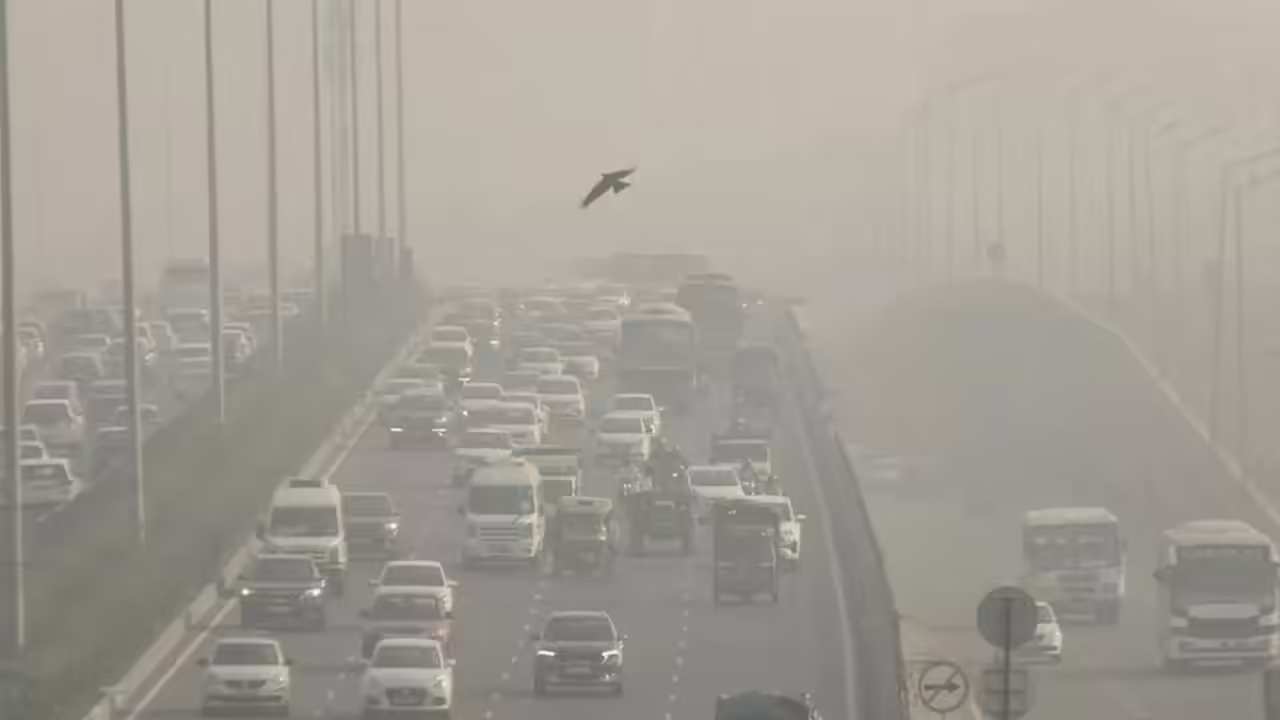
As winter settles in, the air quality in Delhi NCR continues to fall into the “very poor” and “severe” categories. Thick smog covers roads, buildings disappear behind grey skies, and the smell of polluted air is impossible to ignore. What has shocked people most are the first-hand experiences being shared online by residents and visitors who describe serious health problems after spending time in the region.
Personal Health Stories Go Viral
In recent weeks, several posts describing breathing problems, eye irritation, chest pain, and even bleeding gums have gone viral. These are not medical reports or expert opinions, but real voices from everyday people. Many of them say they never expected pollution to affect them so quickly or so severely.
One widely shared post described a visitor from another city experiencing intense throat pain and coughing after just a few days in Delhi NCR. Such stories spread fast because they feel real and relatable. They have triggered fear, anger, and frustration among readers across India.
These narratives are changing how people view air pollution. It is no longer just an environmental issue. It is now seen as a direct threat to health and daily life.
Hospitals Report Rising Health Complaints
Doctors and hospitals across Delhi NCR are reporting an increase in patients with respiratory issues. Children, elderly people, and those with asthma or heart conditions are particularly affected. Many hospitals say they see more cases of breathing difficulty, eye infections, and fatigue during high pollution days.
While medical experts have long warned about the dangers of poor air quality, the scale of complaints this season feels different. Even young and healthy individuals are reporting discomfort. This has increased anxiety among families, especially parents of small children.
People are cancelling outdoor activities, avoiding morning walks, and keeping children indoors. Masks, air purifiers, and indoor plants have become daily necessities rather than optional items.
Why Pollution Levels Are So High
The pollution crisis in Delhi NCR is caused by multiple factors coming together at the same time. Vehicle emissions, construction dust, industrial pollution, and seasonal crop burning all contribute to the problem. During winter, low wind speed and cooler temperatures trap pollutants close to the ground, making the air even more dangerous to breathe.
Despite repeated action plans and emergency measures, many residents feel the situation improves only temporarily. As soon as restrictions are lifted, pollution levels rise again.
This cycle has created public frustration and a sense of helplessness.
Social Media Amplifies the Crisis
Social media has played a major role in shaping the current narrative. Videos showing smog-filled streets, comparison photos of clear skies versus polluted days, and personal health experiences are shared thousands of times.
These posts often spark strong emotional reactions. Some users demand stricter government action, while others question long-term urban planning and policy failures. Many people express fear about raising children in such an environment.
The emotional weight of these stories has pushed pollution back into national headlines, even competing with political and entertainment news.
People Are Fleeing the City
Another visible impact of the health crisis is the growing trend of people temporarily leaving Delhi NCR. Many families with flexible work arrangements are travelling to hill stations or other cities with cleaner air.
Images of traffic jams leading out of Delhi and crowded tourist spots in Himachal Pradesh show how desperate people are for clean air. This migration highlights how pollution is affecting not just health, but also travel patterns and local economies.
For those who cannot leave, the sense of being trapped adds to mental stress.
Government Measures and Public Trust
Authorities have announced several measures, including vehicle restrictions, construction bans, and advisories to stay indoors. While these steps are necessary, public trust remains low.
Many residents feel that such actions come too late and do not address the root causes of pollution. The repeated return of severe smog each year has made people question whether long-term solutions are being implemented seriously.
Experts continue to stress the need for cleaner transport, stricter industrial controls, and regional cooperation to reduce pollution at its source.
A Public Health Emergency in the Making
The growing number of health-related stories suggests that Delhi NCR’s pollution problem is no longer just seasonal discomfort. It is becoming a public health emergency.
Mental health is also being affected. Constant worry about air quality, fear for children’s health, and the inability to enjoy outdoor life are taking a psychological toll on residents.
People are asking hard questions. How safe is it to live here? How long can this continue? What kind of future does this environment offer?
Conclusion
The health crisis narratives emerging from Delhi NCR have added a human face to the pollution problem. Numbers and AQI charts now come with stories of pain, fear, and disruption.
As these voices grow louder, pressure on policymakers increases. Whether this moment leads to lasting change remains uncertain. But one thing is clear. The pollution in Delhi NCR is no longer invisible, and its impact on human health can no longer be ignored.